
When Sheep Have No Shepherd
By Mike Cummins
As a pastor, what do you think of the following questions?
I [late-stage cancer patient] visited a church that I thought I would attend, but the pastor doesn’t do funerals. I am looking for a pastor who will bury me when the time comes. Do you do funerals?
I am having problems with one of my adult kids. My pastor is a great teacher, but I can’t come talk to him about this. Can I meet with you?
My mom died, but I don’t feel comfortable asking my pastor to do the funeral. Will you do it?
These are revealing questions. They show us something that is broken in how many pastors understand what it means to be a pastor. These are questions I have been asked as a pastor. People are looking for a shepherd, but they have to go outside their church for help. It breaks my heart to see sheep who cannot go to their shepherd. Pastors, that is not how it ought to be.
Too many pastors today understand their primary role as a preacher or a leader and minimize their role as a shepherd. There is a temptation to focus on the public side of ministry and ignore the private side of ministry. When this happens, the results are not good. When shepherding disappears, the people suffer in silence.
Three Stories, One Concern
Let me share three real situations that illustrate this. In recent years, I have been asked questions that revealed something that is troubling in how people interact with their pastors. They take on different forms, but illustrate the same concern.
There was a woman with cancer who asked me if I conducted funerals. She came to our church because the previous church she attended had a pastor who refused to do funerals. He had determined that funerals were not part of his ministry. In love, I would say he is missing out. Funerals are where some of the most meaningful and significant pastoral ministry takes place. She started attending our church, became a member, and was a great source of encouragement to me. I walked those final days with her, preached at her funeral, and it remains one of the most meaningful relationships I have had as a pastor.
Then there was a person who told me, “My pastor is a great teacher but I can’t talk to him about this. I can’t talk to him about my kid that is struggling.” She enjoyed his preaching, but he wasn’t approachable. She didn’t see him as someone she could open up to and share her heart with. He was seen as a preacher, not a shepherd. So we sat down, I listened, we prayed, and she felt the care of a shepherd.
And then there was the woman whose mother died and told me that she couldn’t ask her pastor to do the funeral. It would have been awkward and wasn’t his thing. She was a friend of someone in our church, and she felt more comfortable asking me, her friend’s pastor, than asking her own.
Three different people, three different situations. But they share this common thread: They did not see their pastor as a shepherd.
I share these stories, not because I think that I am some great pastor. I think that is far from the issue here. I share these stories because these people came to me, because their pastor wasn’t seen as a shepherd. They asked only because they couldn’t go to their church body and find a shepherd. But isn’t shepherding at the very heart of being a pastor? Isn’t shepherding the image of what a pastor does? Even our word pastor comes from the Latin for ‘shepherd,’ and the verb form means ‘to shepherd’ or ‘to feed.’ The Bible speaks shepherding in a number of places, but it is seen clearly in 1 Peter 5.
In 1 Peter 5:1-2, Peter writes this,
So I exhort the elders among you, as a fellow elder and a witness of the sufferings of Christ, as well as a partaker in the glory that is going to be revealed: 2 shepherd the flock of God that is among you, exercising oversight, not under compulsion, but willingly, as God would have you; not for shameful gain, but eagerly;
Peter is writing to the elders. The Bible describes elders by a couple of other names, one being pastor. Peter is writing directly to pastors and what does he tell them to do in verse 2? Shepherd the flock of God that is among you. He is telling pastors to shepherd God’s flock, God’s people. There isn’t a caveat or an exception. If you are a pastor, then you are a shepherd. Period. And you are to be with your people. Peter doesn’t treat shepherding as a secondary role or a role that can be dismissed. It is the heart of being a pastor.
Peter also tells us that we are to be among the flock. Shepherd the flock of God that is among you. If you are a pastor, then you are shepherd. That means that you are to spend time with your people. This looks different depending on your church situation and gets more complicated the larger the church is. This requires creativity and diligence to faithfully care for the church, but it doesn’t mean that a pastor can just stop shepherding and delegate it all to others. There is a need to share the load of shepherding, but not to remove yourself from any shepherding.
Preaching Matters – But it is Not Enough
I understand and whole-heartedly agree that as pastors we cannot do everything. We are limited. We cannot officiate every funeral, counsel every situation, or meet every need. But that is not what these stories reveal. These questions point to something deeper—pastors who are not seen as shepherds. Sometime because of what the pastor refuses to do, and sometimes because of how they are presented to their people.
Preaching is essential to shepherding well, but we are not meant to be merely a preacher and not a pastor. Preaching alone is not fulfilling our calling as a shepherd. A church must have faithful proclamation of the Word, but when sheep do not feel they have a shepherd, something vital has been lost. The flock of God needs a pastor who demonstrates that he is with them and know them, that he will walk with them and care for them. A pastor who preaches but does not shepherd is only doing part of the work God has called him to do.
Pastors, preach faithfully – but shepherd the flock of God that is among you.
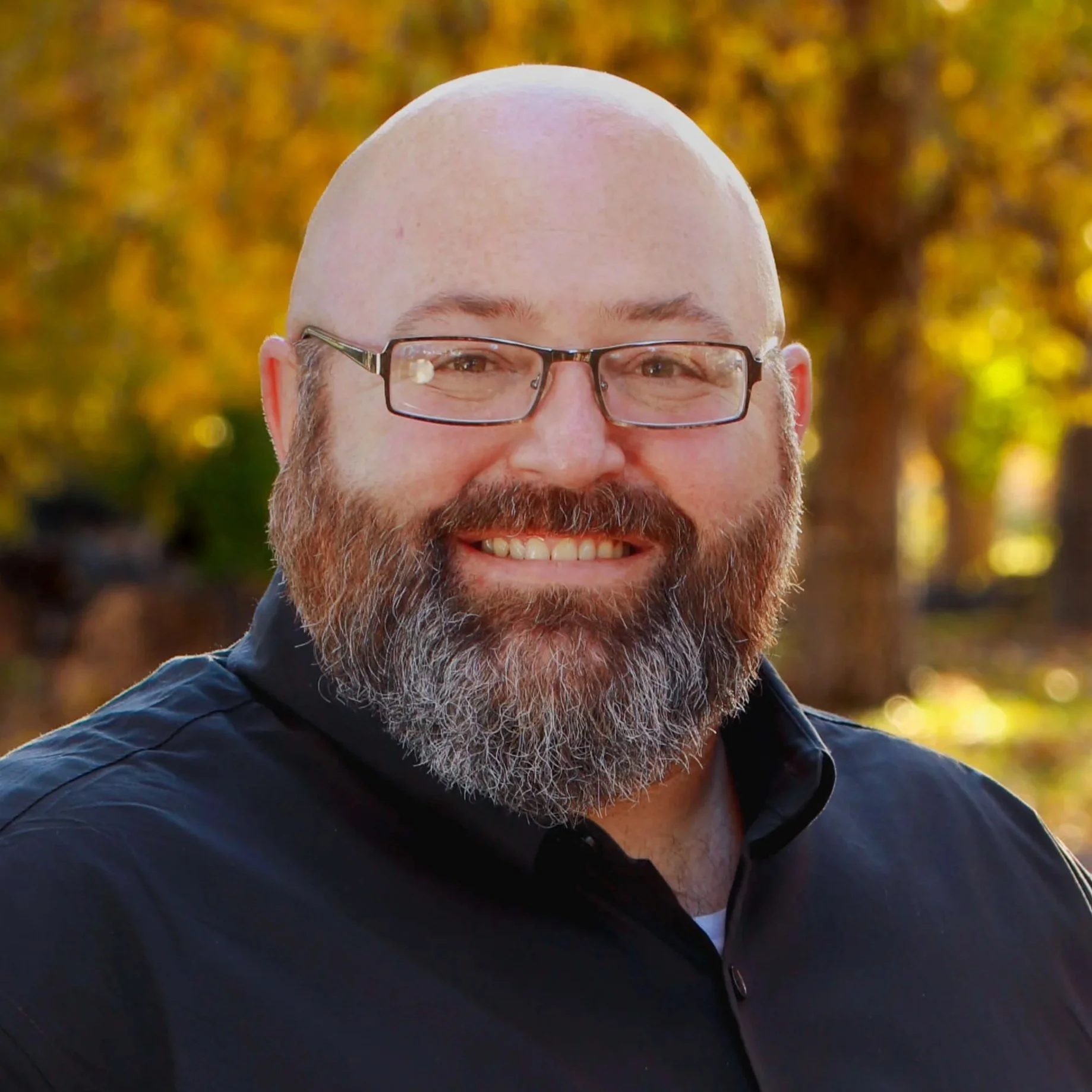
Mike Cummins
is the pastor at Berean Baptist Church in Idaho Falls, ID. He has been married for over 20 years and has two kids. He graduated from Western Seminary with a Master of Divinity and teaches a class on the book of James at Jackson Hole Bible College in Jackson Hole, WY. Mike is passionate about seeing God’s Word intersect with the hearts of people.